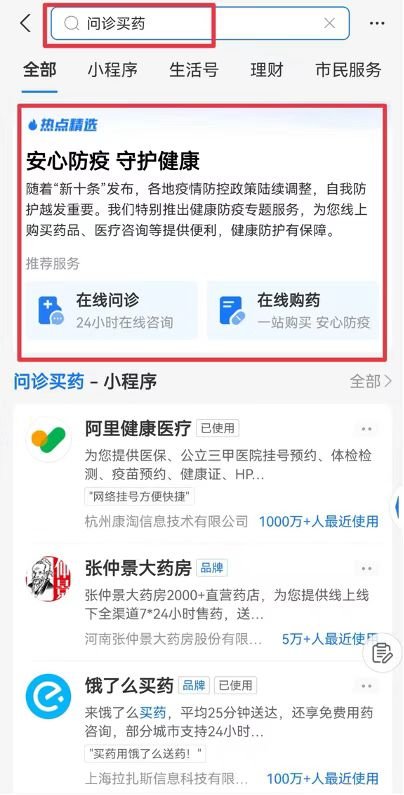
近年来,随着信息技术的迅猛发展和医疗行业的深度融合,‘互联网医院系统’逐渐深入人心。这一新兴概念不仅重塑了医疗服务模式,还为患者带来了更加便捷、高效的就医体验。
目前,越来越多医疗机构开始探索并实践基于互联网技术的诊疗流程。据最新统计数据,在2023年度,全国范围内上线的互联网医院数量已超过千家,其覆盖范围更广,服务种类也更为丰富。
与传统线下医院相比,‘互联网医院系统’具有明显优势。例如:通过远程问诊、在线挂号等功能极大地方便了患者,尤其对于居住偏远地区或者行动不便的人来说,节省了大量的时间和精力;同时还有利于医生更充分地利用碎片化时间进行诊疗活动,并逐步实现分级诊疗制度。
此外,在疫情防控期间‘互联网医院系统’更是发挥了不可替代的作用。它不仅能够有效降低病毒传播风险,还能帮助患者及时得到必要的医疗服务支持,例如慢性病患者的随访、咨询服务等。有报告显示,疫情期间通过线上平台完成的医疗行为占比显著提升至30%以上。
dividing this model of internet-based healthcare further reveals its potential for driving future development trends. Firstly, the integration between Internet technology and medical service has become increasingly close, with more advanced telemedicine technologies being applied in practice. Secondly, due to the growing importance placed on personalized health management, customized solutions provided by these systems are expected to gain popularity among consumers seeking tailored healthcare experiences.
to conclude, as we move towards a smarter future, internet hospitals will continue evolving and innovating at an unprecedented pace, continuously improving access and quality of care for all. By embracing new technologies like AI, big data analytics, telehealth platforms, these virtual medical centers promise to offer users a seamless integration between physical health services and digital healthcare solutions.